Vacuum Cooling enables to prolong the shelf life of hydroponic produce by 2-6 days
“The moment of harvest has to be planned carefully, the product shouldn't be harvested too late. Also, temperature control is of vital importance for the shelf life. Depending on the crop, the complete cold chain ideally takes place in a room with a temperature between 2-5 °C.”

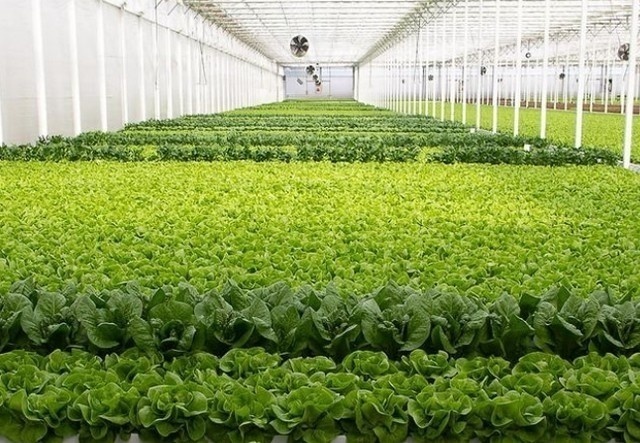
This is according to Tomás Benavente with Pura Hoja, the biggest producer of hydroponic lettuce in Chile. Because of the thin and narrow shape of the country, distribution is a major complication for hydroponic products. Cooling their produce helps them to keep the lettuce as fresh as possible before it reaches the grocery shelves.
Hydroponic lettuce & Vacuum Cooling
Pura Hoja was established in 2010. Over the last decade, the company grew out to be the biggest producer of hydroponic lettuce in Chile. On their NFT-system, they currently grow lettuce, while carrying out trials with herbs and baby greens. According to Tomás the company is technologically capable of producing any green leaf vegetable on their facility. He believes there’s a big opportunity for the agricultural industry to grow more efficient by using technology, yet the market has to appreciate these products as well.
“Producing a healthy crop year-round is a big challenge. Technologies controlling climate, disinfection and sanitization, the fertilization, and crop management are extremely important. With these techniques, we can control all the environmental climate conditions,” Tomás says.
Since this technology is not easy to manage and is also expensive, the market has to appreciate the added value of the hydroponically grown produce. And therefore, the lettuce has to be of impeccable quality when it reaches the consumer. The Pura Hoja lettuce is distributed in the national market, mainly in retail channels. Because of the countries thin and narrow shape, distribution is a challenge. For the crop to reach the customer in the best condition, different areas have to be managed.
“The moment of harvest has to be planned carefully, as the lettuce shouldn’t be too old. Then the temperature control is of crucial importance. The complete post-harvest chain ideally takes place in a room with a temperature between 2-5 °C, depending on the crop.”
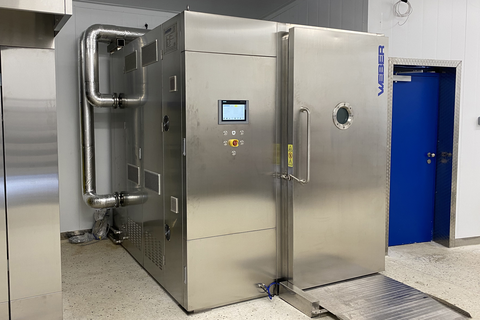
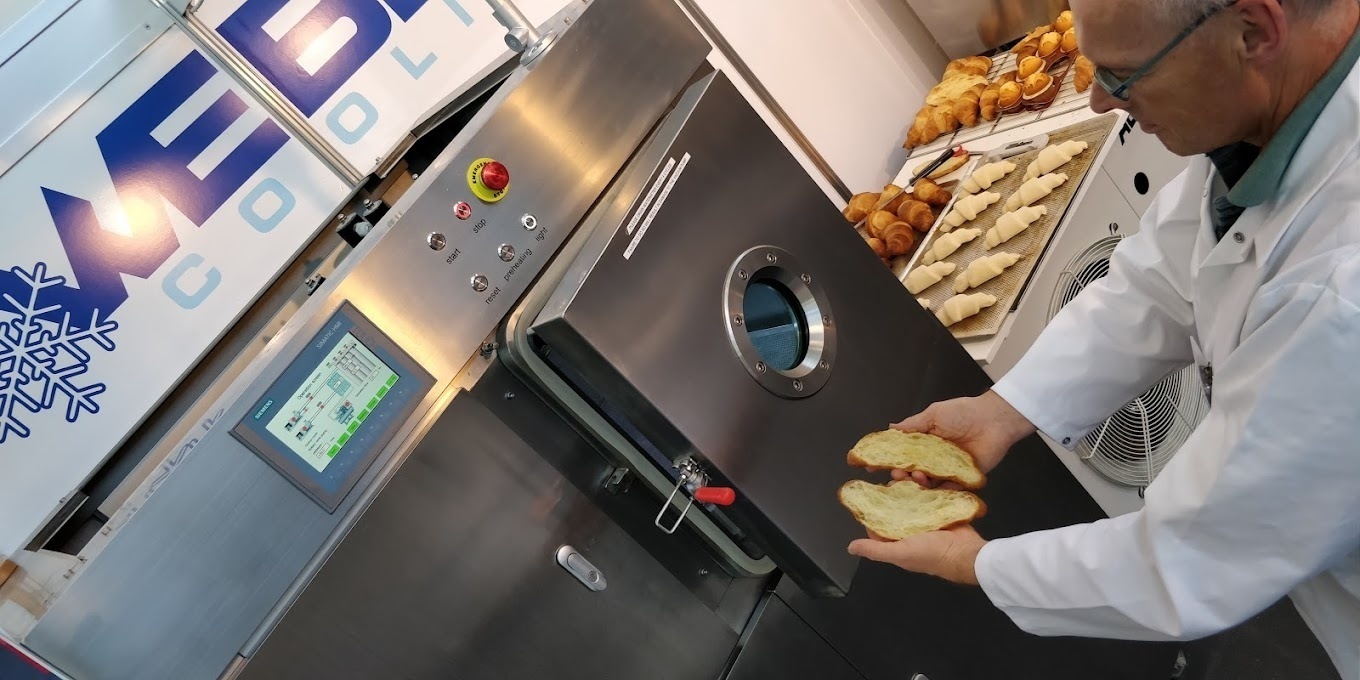
For additional shelf life, Pura Hoja has been working with a vacuum cooler for the past two years. This cooler, provided by the Dutch company WeberCooling, helps them to keep the lettuce as fresh as possible before it reaches the grocery shelves.
“By reducing the pressure inside the vacuum room, you force (a fraction of) the product’s own moisture to evaporate,” says Sylvia van Uden with Weber Cooling. “This evaporation costs energy, which is taken from the produce in the form of a temperature reduction.”
The team with WeberCooling is also very active with their technology in the US market for vertical farming and in Latin American. Both hydroponic growers as vertical farmers have chosen it for the systems, as it extends the shelf life of the produce. The same goes for Pura Hoja.
“The vacuum cooler helps us to drop down the temperature very quickly after the harvest, which affects the shelf like of the product directly,” says Tomás. “After harvesting the products, we cool it for at least 20 minutes. This process enables us to prolong the shelf life by 2-6 days minimum, and according to some figures even to 10 days. This way, we deliver healthy lettuce with a maximum freshness to our consumers.”